Thinking about starting your cloud journey? The AWS Certified Cloud Practitioner certification isn’t just a badge—it’s your golden ticket to understanding Amazon Web Services from the ground up. Whether you’re in IT, management, or just curious about cloud computing, this entry-level cert builds a solid foundation.



What Is the AWS Certified Cloud Practitioner Certification?

The AWS Certified Cloud Practitioner is the foundational certification offered by Amazon Web Services (AWS), designed for individuals who want to demonstrate a general understanding of the AWS Cloud. It’s the perfect starting point for anyone looking to enter the world of cloud computing, regardless of their technical background.
Who Should Pursue This Certification?
This certification is ideal for a wide range of professionals, not just technical experts. It’s particularly beneficial for:
- Non-technical roles such as sales, finance, and management who need to understand AWS offerings
- IT professionals transitioning into cloud roles
- Students and career changers exploring cloud technology
According to AWS’s official certification page, the Cloud Practitioner exam validates an individual’s ability to define core AWS services, understand billing and pricing models, and grasp security concepts.
Prerequisites and Exam Requirements
One of the biggest advantages of the AWS Certified Cloud Practitioner is that it has no mandatory prerequisites. However, AWS recommends at least six months of exposure to AWS Cloud, including basic understanding of IT services and how they are used in the cloud.
The exam, known as CLF-C02 (as of 2024), consists of 65 multiple-choice and multiple-response questions, with a time limit of 90 minutes. The passing score is 700 out of 1000, and the exam fee is $100 USD.
“The Cloud Practitioner certification is a great way to validate foundational cloud knowledge and show commitment to cloud learning.” — AWS Training and Certification Team
Why the AWS Certified Cloud Practitioner Matters in 2024
In today’s digital-first economy, cloud literacy is no longer optional—it’s essential. The AWS Certified Cloud Practitioner certification has gained significant traction across industries because it provides a vendor-specific understanding of one of the most dominant cloud platforms in the world.
Industry Recognition and Demand
AWS controls over 30% of the global cloud market share, making it the leader in cloud infrastructure. As more companies migrate to AWS, the demand for professionals who understand its ecosystem continues to grow. Even non-technical roles benefit from cloud literacy, as decisions around cost, security, and scalability become increasingly cloud-dependent.
LinkedIn data shows a 40% year-over-year increase in job postings mentioning AWS Cloud Practitioner certification, especially in roles like cloud sales, project management, and IT support. This reflects a broader trend: cloud knowledge is becoming a baseline expectation, not a specialty.
Value for Non-Technical Professionals
One of the most underrated aspects of the AWS Certified Cloud Practitioner is its accessibility to non-technical staff. For example:
- Sales teams can better articulate AWS solutions to clients
- Finance and procurement teams can understand pricing models and optimize budgets
- Managers can make informed decisions about cloud adoption and migration timelines
This cross-functional value makes the certification a strategic asset for entire organizations, not just IT departments.
Core Domains Covered in the AWS Certified Cloud Practitioner Exam
The CLF-C02 exam is structured around four main domains, each testing a different aspect of AWS Cloud knowledge. Understanding these domains is crucial for effective preparation.
Domain 1: Cloud Concepts (26% of the exam)
This section evaluates your understanding of fundamental cloud principles. Key topics include:
- Benefits of cloud computing (e.g., elasticity, scalability, cost-efficiency)
- Different cloud deployment models (public, private, hybrid)
- Cloud service models (IaaS, PaaS, SaaS)
- How AWS compares to on-premises infrastructure
You’ll need to explain concepts like pay-as-you-go pricing and the shared responsibility model. For deeper insight, refer to the AWS Documentation on cloud economics.
Domain 2: Security and Compliance (25% of the exam)
Security is a top concern in cloud environments. This domain tests your knowledge of AWS’s security model, including:
- The AWS Shared Responsibility Model—what AWS manages vs. what the customer manages
- Key services like AWS Identity and Access Management (IAM), AWS Shield, and Amazon Inspector
- Data encryption options (at rest and in transit)
- Compliance programs such as GDPR, HIPAA, and SOC
You should understand how to protect data and manage user access using IAM policies and roles.
“Security is job zero at AWS.” — Andy Jassy, CEO of Amazon
Domain 3: Technology (33% of the exam)
This is the most technical domain and covers AWS services and architecture. You’ll be tested on:
- Core services like Amazon EC2, Amazon S3, Amazon RDS, and AWS Lambda
- Networking basics with Amazon VPC and Route 53
- Different compute options (on-demand, reserved instances, spot instances)
- Storage types (S3, EBS, Glacier) and their use cases
While you don’t need to configure these services, you must understand their purpose and when to use them.
Domain 4: Billing, Pricing, and Support (16% of the exam)
This domain focuses on cost management and support options. Topics include:
- Understanding the AWS Pricing Calculator and Total Cost of Ownership (TCO) Calculator
- Different pricing models: On-Demand, Reserved Instances, Savings Plans, and Spot Instances
- Using AWS Budgets and Cost Explorer for monitoring spending
- Differences between AWS Support plans (Basic, Developer, Business, Enterprise)
Being able to explain how to reduce costs and optimize spending is a key skill tested here.
How to Prepare for the AWS Certified Cloud Practitioner Exam
Success in the AWS Certified Cloud Practitioner exam doesn’t require coding or deep technical skills, but it does require focused study and a structured approach.
Step 1: Use Official AWS Training Resources
AWS provides free and paid resources to help you prepare. The AWS Cloud Practitioner Essentials course is a free, self-paced digital training that covers all exam domains. It takes about 6–8 hours to complete and includes videos, quizzes, and hands-on demos.
Additionally, AWS offers instructor-led training (ILT) for those who prefer guided learning, though it comes at a cost.
Step 2: Supplement with Third-Party Courses
Many learners find value in platforms like:
- Udemy: Courses like Stephane Maarek’s AWS Certified Cloud Practitioner are highly rated and include practice exams
- LinkedIn Learning: Offers structured paths with video tutorials
- A Cloud Guru: Provides interactive labs and quizzes
These platforms often simulate real exam conditions, helping you get comfortable with the question format.
Step 3: Take Practice Exams
Practice tests are critical. They help you identify weak areas and get used to the timing and style of questions. AWS offers a free practice exam that mirrors the real test. Third-party providers like Whizlabs and Tutorials Dojo also offer high-quality mock exams.
Tip: Aim to score above 80% consistently on practice tests before scheduling your real exam.
Real-World Benefits of Becoming an AWS Certified Cloud Practitioner
Earning the AWS Certified Cloud Practitioner isn’t just about passing a test—it opens doors to career advancement, better decision-making, and organizational impact.
Boost Your Resume and Career Prospects
Even for entry-level roles, having an AWS certification sets you apart. Recruiters view it as proof of initiative and foundational knowledge. According to a 2023 survey by Global Knowledge, certified IT professionals earn up to 20% more than their non-certified peers.
For career changers, this certification can be the first step toward roles like Cloud Support Associate, Technical Account Manager, or Cloud Sales Representative.
Improve Cross-Team Collaboration
When team members across departments—IT, finance, marketing—share a common cloud vocabulary, communication improves. For example, a project manager who understands AWS can better estimate timelines and resource needs during cloud migrations.
Organizations like Netflix and Airbnb use AWS at scale, and they expect their employees to have at least a basic understanding of cloud infrastructure.
Build a Foundation for Advanced Certifications
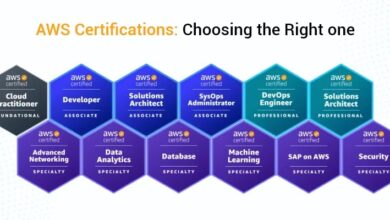
The AWS Certified Cloud Practitioner is often the first step in a larger certification journey. After passing this exam, many professionals pursue:
- AWS Certified Solutions Architect – Associate
- AWS Certified Developer – Associate
- AWS Certified SysOps Administrator – Associate
Each of these builds on the knowledge gained from the Cloud Practitioner, making the learning curve less steep.
Common Mistakes to Avoid When Preparing for the Exam
Even motivated candidates can stumble due to avoidable errors. Being aware of these pitfalls can save you time and frustration.
Mistake 1: Underestimating the Exam
Because it’s an entry-level certification, some candidates assume the exam is easy and don’t study enough. While it’s not as technical as associate-level exams, it covers a broad range of topics, and questions can be tricky.
Example: You might be asked to choose the *most cost-effective* solution among several AWS services, requiring you to understand pricing nuances.
Mistake 2: Focusing Too Much on Technical Details
The Cloud Practitioner exam is not about configuring services. Avoid diving too deep into CLI commands or architecture diagrams. Instead, focus on understanding *what* each service does and *when* to use it.
Spend more time on domains like billing and security, which are heavily tested.
Mistake 3: Ignoring the AWS Exam Guide
AWS publishes a detailed exam guide that outlines every topic covered. Skipping this resource means you might miss key areas.
Make sure to review the weighting of each domain and allocate your study time accordingly.
How Organizations Benefit from AWS Certified Cloud Practitioner Employees
Companies are increasingly investing in cloud training for their workforce. The AWS Certified Cloud Practitioner certification is a low-cost, high-impact way to build cloud fluency across teams.
Accelerated Cloud Adoption
When employees understand AWS fundamentals, organizations can migrate to the cloud faster and with fewer errors. Teams make better decisions about resource allocation, security, and cost management.
For example, a finance team that understands Reserved Instances can help negotiate better pricing, saving thousands of dollars annually.
Improved Security Posture
Human error is a leading cause of cloud security breaches. Employees with AWS certification are more likely to follow best practices, such as enabling MFA, using IAM roles, and encrypting sensitive data.
A 2023 report by Palo Alto Networks found that organizations with certified staff experienced 30% fewer security incidents.
Enhanced Innovation and Agility
Cloud-literate teams can experiment faster. They understand how to spin up resources, test new services, and scale applications without waiting for deep technical support.
This agility allows businesses to respond quickly to market changes, launch new products, and improve customer experiences.
What is the AWS Certified Cloud Practitioner certification?
The AWS Certified Cloud Practitioner is an entry-level certification that validates a candidate’s understanding of AWS Cloud fundamentals, including core services, security, pricing, and support. It’s designed for both technical and non-technical professionals.
Do I need technical experience to pass the exam?
No, technical experience is not required, but having six months of exposure to AWS Cloud is recommended. The exam focuses on conceptual knowledge rather than hands-on configuration.
How much does the AWS Certified Cloud Practitioner exam cost?
The exam fee is $100 USD. AWS occasionally offers exam vouchers through training programs or events.
How long is the certification valid?
The certification is valid for three years. You can renew it by taking a recertification exam or earning a higher-level AWS certification before the expiration date.
Can I take the exam online?
Yes, the exam can be taken online via Pearson VUE’s remote proctoring service or at a physical testing center.
Earning the AWS Certified Cloud Practitioner certification is more than just a personal achievement—it’s a strategic move in today’s cloud-driven world. Whether you’re looking to boost your career, improve team collaboration, or support your organization’s digital transformation, this certification provides the foundational knowledge you need. With the right preparation and mindset, passing the exam is within reach for anyone willing to put in the effort. Start your journey today and unlock the power of the AWS Cloud.
Further Reading: